How Weather Exposure Affects Stone Masonry Structures
People seeking stone masonry repair often want to address damage caused by weather exposure, and local service providers can assess and restore stone structures effectively.
Understanding how weather exposure affects stone masonry structures is essential for property owners looking to preserve the integrity and appearance of their buildings. Over time, elements like rain, snow, wind, and temperature fluctuations can cause stones to deteriorate, crack, or loosen, leading to costly repairs if not addressed early. Property owners in the area who value the longevity of their masonry work often seek insights into these weather-related impacts to make informed decisions about maintenance and repairs. Exploring this topic can reveal practical ways to protect stone surfaces and ensure they withstand the test of time, especially with the help of skilled local contractors specializing in stone masonry repair.
For those concerned about weather effects on their stone structures, knowing how exposure influences material stability is a crucial step toward proactive preservation. Local service providers experienced in stone masonry repair can assess existing damage, recommend effective solutions, and help reinforce structures against future weather-related wear. By understanding the ways weather exposure impacts stone masonry, property owners can better prioritize repairs and maintenance, ensuring their structures remain durable and visually appealing for years to come. Keep reading to discover practical insights and ways to connect with trusted local experts who can assist with your masonry needs.
- Stone Masonry Restoration - property owners may need this service when weather exposure has caused deterioration or surface damage, and local contractors assess and repair affected areas.
- Efflorescence Removal - individuals noticing white salt deposits on stone surfaces due to moisture intrusion can rely on local service providers to address moisture-related issues.
- Crack Repair and Repointing - structures with cracked or eroded mortar joints from freeze-thaw cycles or rain exposure may require expert repointing from local pros.
- Waterproofing Treatments - those seeking to prevent further weather-related damage can have local contractors apply sealants or waterproof coatings to protect stone masonry.
- Sealant and Coating Application - property owners concerned about ongoing weather effects can get advice and treatment from local service providers to enhance stone durability.
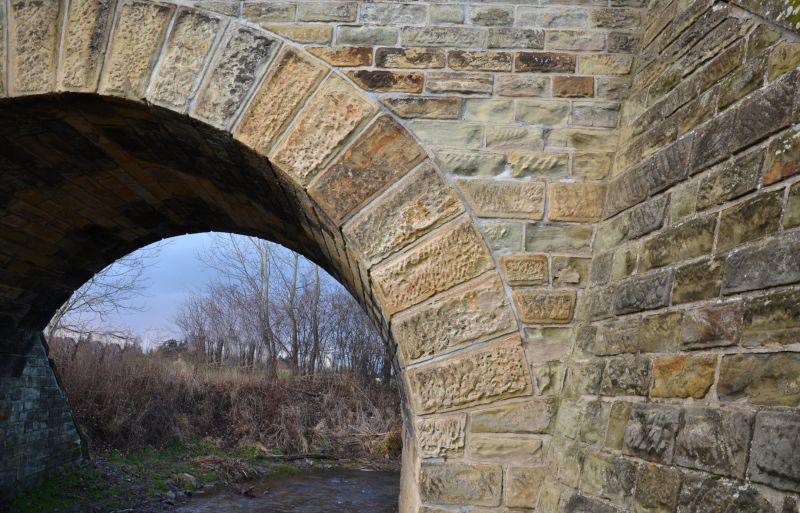
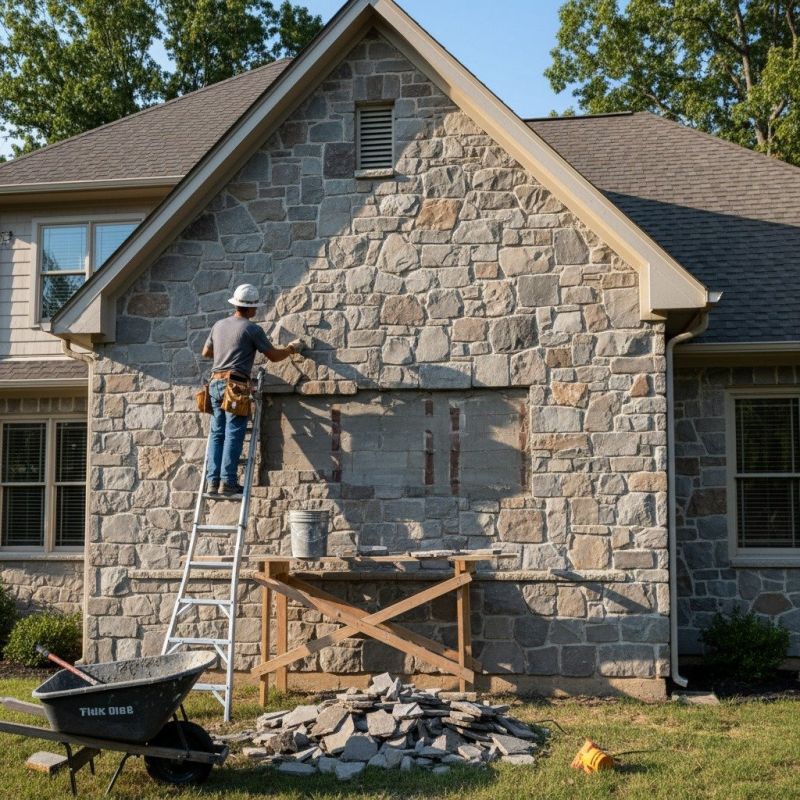
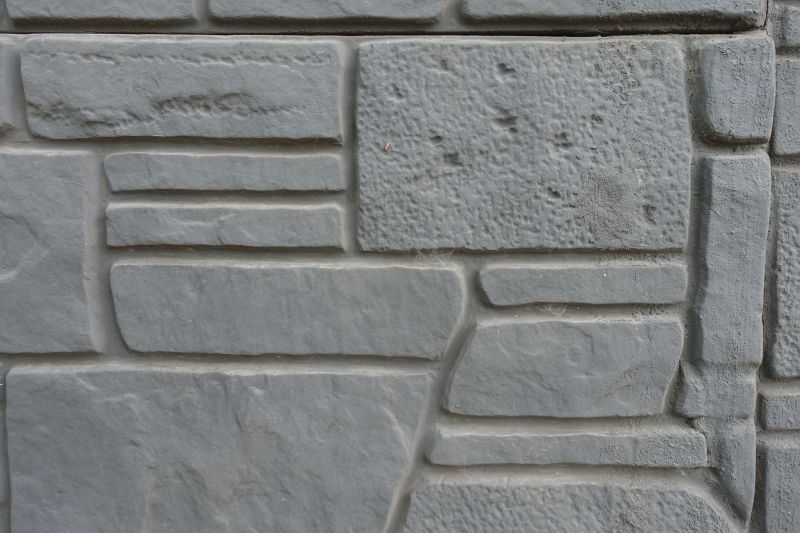
When people search for how weather exposure affects stone masonry structures, they are often trying to understand why their stonework shows signs of deterioration or damage. Many homeowners notice issues like cracking, crumbling, or discoloration on exterior stone surfaces and want to learn what causes these problems. This topic is commonly explored in the context of maintaining or restoring historic buildings, retaining walls, or decorative stone features that have been exposed to the elements over time. Understanding how weather impacts stone helps homeowners plan necessary repairs and choose appropriate preservation strategies to extend the life of their masonry.
The connection between weather exposure and stone masonry issues often relates to common problems such as erosion, freeze-thaw damage, and moisture infiltration. When water penetrates the porous surface of natural stone, it can cause swelling and cracking as temperatures fluctuate. Repeated freeze-thaw cycles are especially damaging, leading to spalling or flaking of the stone surface. Additionally, prolonged exposure to rain, snow, or humidity can accelerate deterioration, weakening the structural integrity of the masonry. Many property owners seek guidance on how to prevent or repair these issues, which often involves consulting local service providers experienced in stone masonry repair and weatherproofing techniques.
Properties that frequently come up in discussions about weather-related damage include historic landmarks, stone fences, garden walls, chimneys, and exterior facades. These structures are often built with natural stone or brick that is vulnerable to moisture and temperature changes. Homes with exposed stone features or those located in regions with harsh weather patterns are particularly susceptible to weather exposure effects. Homeowners interested in preserving the appearance and stability of these properties often look for local contractors who can assess the damage, recommend suitable repairs, and implement solutions to protect against future weather-related deterioration.
Understanding how weather exposure affects stone masonry structures helps homeowners connect the dots between environmental conditions and the need for professional repair work. When deterioration is visible, it’s often a sign that moisture has compromised the stone’s surface or internal structure. Local pros specializing in stone masonry repair can evaluate the extent of weather-related damage, perform necessary restorations, and apply weatherproofing treatments to safeguard the property. This proactive approach not only restores the aesthetic appeal of the stonework but also helps maintain its structural integrity, ensuring the property remains durable and visually appealing for years to come.
Historic Building Restoration - this type of project involves repairing and preserving stone structures affected by weather exposure, requiring expertise in stone masonry techniques and weather-resistant materials.
Stone Wall Construction - building new stone walls that can withstand weather elements demands careful planning, selection of durable materials, and skilled masonry work.
Masonry Waterproofing - applying waterproofing solutions to stone surfaces helps protect structures from weather damage, a service often provided by local contractors experienced in weather-related issues.
Facade Restoration - restoring and cleaning stone facades to prevent weather-induced deterioration involves specialized tools and knowledge of weather effects on stone materials.
Crack and Joint Repair - sealing cracks and joints in stone structures prevents water infiltration and further damage caused by weather exposure, requiring precise masonry skills.
Stone Surface Cleaning - cleaning weathered stone surfaces to remove grime and biological growth involves techniques that preserve the stone while addressing weather-related wear.
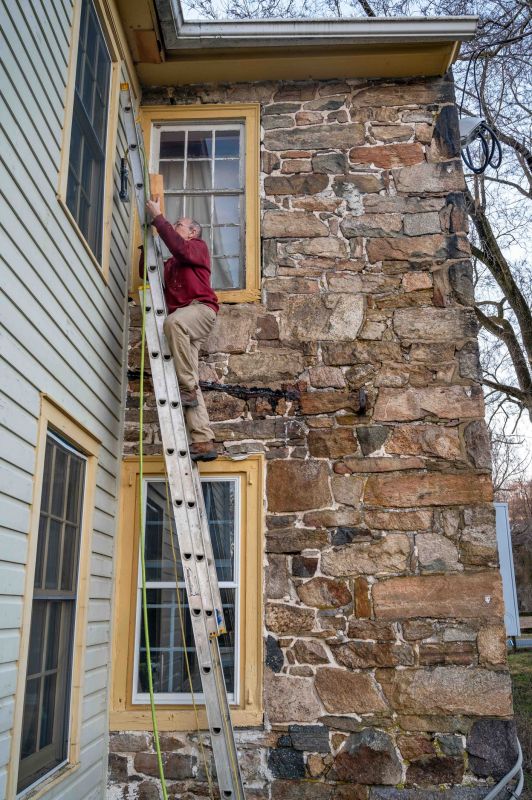
When evaluating stone masonry repair services, it’s important to consider the experience of local contractors with projects similar to your own. A service provider that has handled stone masonry repair in environments with varying weather exposure will better understand how elements like moisture, temperature fluctuations, and freeze-thaw cycles impact the integrity of stone structures. Asking about past work that involved weather-related challenges can provide insight into their familiarity with the specific issues that affect stone masonry in your area, helping ensure the repairs are durable and appropriate for your climate conditions.
Clear written expectations are essential when comparing local service providers for stone masonry repair. A reputable contractor should be able to outline the scope of work, materials to be used, and the methods they plan to employ to address weather-related effects on your structure. This transparency helps prevent misunderstandings and ensures that both parties are aligned on the project’s goals. When reviewing proposals or estimates, look for detailed descriptions that demonstrate an understanding of how weather exposure can influence repair needs and how the contractor plans to mitigate potential issues.
Reputable references and good communication are key indicators of a dependable service provider. Seeking references from previous clients who had similar weather exposure concerns can reveal how effectively a contractor managed weather-related challenges in past projects. Additionally, responsive and clear communication throughout the process indicates a contractor’s professionalism and willingness to keep you informed. This level of engagement can be especially valuable when addressing complex issues like weather effects on stone masonry, as it fosters confidence that the contractor will be attentive to your concerns and provide updates on the project’s progress.
Property owners often search for how weather exposure affects stone masonry structures when they are planning practical projects around their homes and businesses. Local pros provide Stone Masonry Repair services for everyday jobs and straightforward project options.
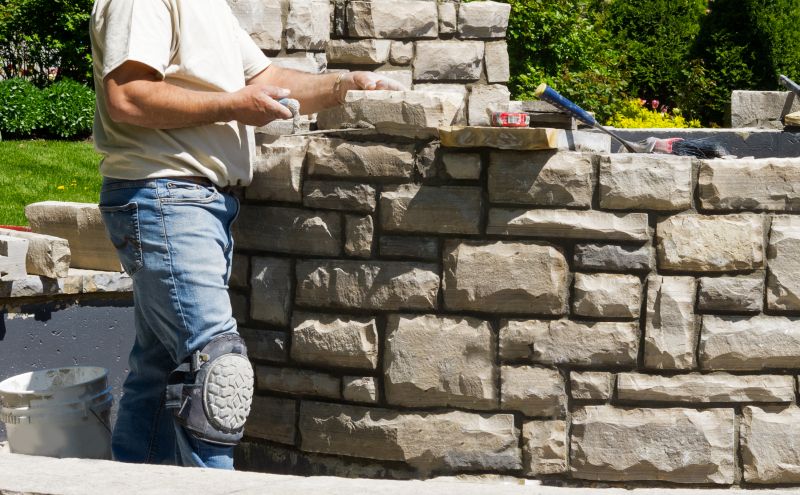
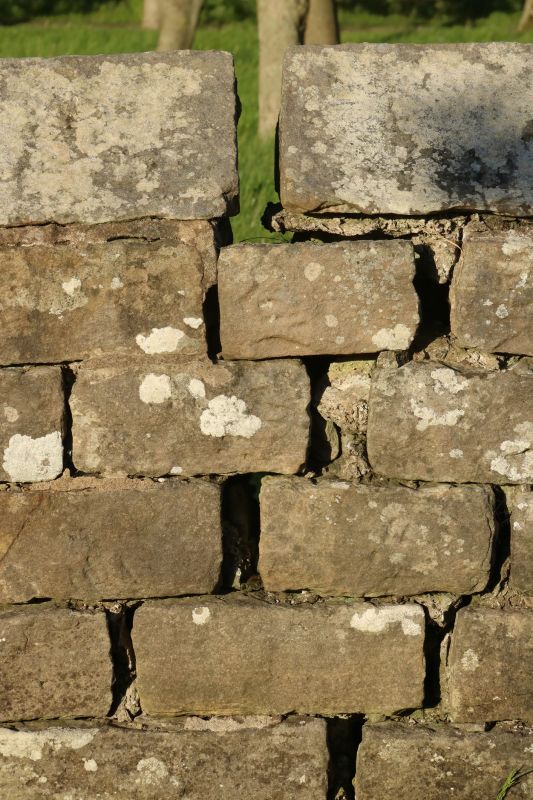
Weather exposure can significantly impact the integrity of stone masonry structures over time. In areas with frequent rain, snow, or temperature fluctuations, moisture can seep into the stone or mortar joints, leading to cracking, erosion, or even structural weakening. Additionally, freeze-thaw cycles can cause stones to expand and contract, which may result in spalling or dislodging of stones. Property owners noticing signs like crumbling mortar or loose stones often seek the expertise of local contractors who specialize in stone masonry repair to address these weather-related issues and preserve the durability of their structures.
Understanding how weather exposure affects stone masonry structures helps property owners recognize when repairs might be necessary. For example, persistent moisture problems can accelerate deterioration, making it important to consult experienced local service providers for assessments and repairs. These professionals can recommend appropriate solutions to reinforce and restore the structure, ensuring it withstands ongoing weather challenges. Connecting with local contractors who have experience with weather-related damage can provide peace of mind and help maintain the integrity and appearance of stone features for years to come.
How does weather exposure impact stone masonry structures? Weather exposure can lead to deterioration such as cracking, erosion, and mortar damage in stone masonry structures, making repairs necessary to maintain integrity.
What types of weather conditions most affect stone masonry? Factors like freeze-thaw cycles, heavy rain, and temperature fluctuations are common weather conditions that can cause damage to stone masonry over time.
How can local contractors help address weather-related damage? Local stone masonry repair service providers can assess weather-related issues and perform repairs to reinforce structures and prevent further deterioration caused by weather exposure.
Are certain stones more vulnerable to weather exposure? Softer or porous stones tend to be more susceptible to weather-related damage, requiring specialized repair techniques from experienced service providers.
What preventive measures can be taken against weather damage? Proper sealing, maintenance, and timely repairs by local pros can help protect stone masonry structures from weather exposure and extend their lifespan.
Assessing weather-related damage - Property owners can evaluate signs of weather exposure, such as cracking or erosion, to determine when professional stone masonry repair services are needed.
Choosing weather-resistant materials - When planning repairs, selecting durable stones and mortar that withstand weather effects can prolong the lifespan of masonry structures.
Implementing protective measures - Installing sealants or barriers with the help of local contractors can help shield stone structures from moisture and temperature fluctuations.
Regular inspections for weather impact - Scheduling periodic assessments with local pros ensures early detection of weather-related deterioration, maintaining the integrity of stone masonry.
If you are thinking about how weather exposure affects stone masonry structures for a property, this guide is meant to help you understand this topic, the typical project types, and how different options might fit your plans.
When you are ready, you can use the quote form on this page to share a few details about your project. From there, local pros can review the basics and follow up with options that match what you have in mind.